

Driving Sustainable Logistics for Tomorrow’s World
Sustainability has become a key priority for businesses across every industry, and the logistics sector is no exception. As global trade continues to expand, organisations are seeking innovative ways to reduce their environmental impact while maintaining efficient and reliable supply chains. Green logistics is no longer simply an environmental initiative—it is a smart business strategy that helps companies lower costs, improve operational efficiency, and meet growing customer expectations for sustainable practices.
At ExpressLine Logistics, we believe that responsible logistics can drive both business success and environmental progress. By integrating sustainable transport strategies, intelligent route planning, energy-efficient warehousing, and environmentally conscious supply chain management, we help businesses move goods responsibly without compromising performance or reliability.
Whether transporting products across cities or continents, adopting greener logistics practices contributes to a cleaner future while supporting long-term business growth.
What Is Green Logistics?
Green logistics refers to the planning, management, and execution of transportation and supply chain activities in ways that reduce environmental impact. It focuses on minimising carbon emissions, improving fuel efficiency, reducing waste, and optimising logistics operations while maintaining high levels of customer service.
Modern green logistics combines innovative technologies with smarter operational processes to create more sustainable supply chains. This includes using digital logistics platforms, efficient warehouse management systems, optimised delivery routes, and multimodal transport solutions that reduce unnecessary fuel consumption.
Businesses that invest in sustainable logistics not only protect the environment but also strengthen their reputation, improve operational performance, and create long-term value for customers and stakeholders.
Smarter Transportation Reduces Environmental Impact
Transportation is one of the largest contributors to carbon emissions within global supply chains. By carefully selecting the most efficient transport methods, businesses can significantly reduce fuel consumption and improve overall sustainability.
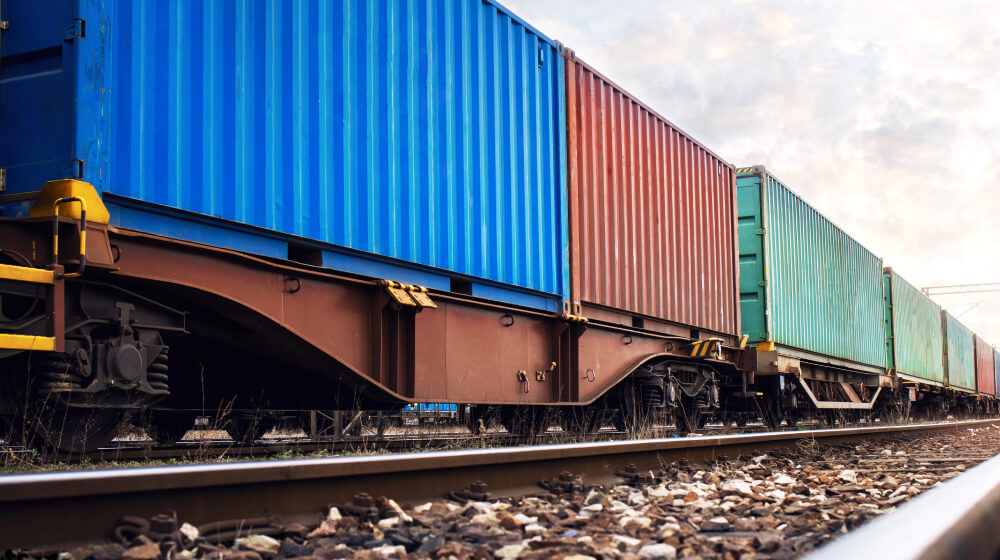
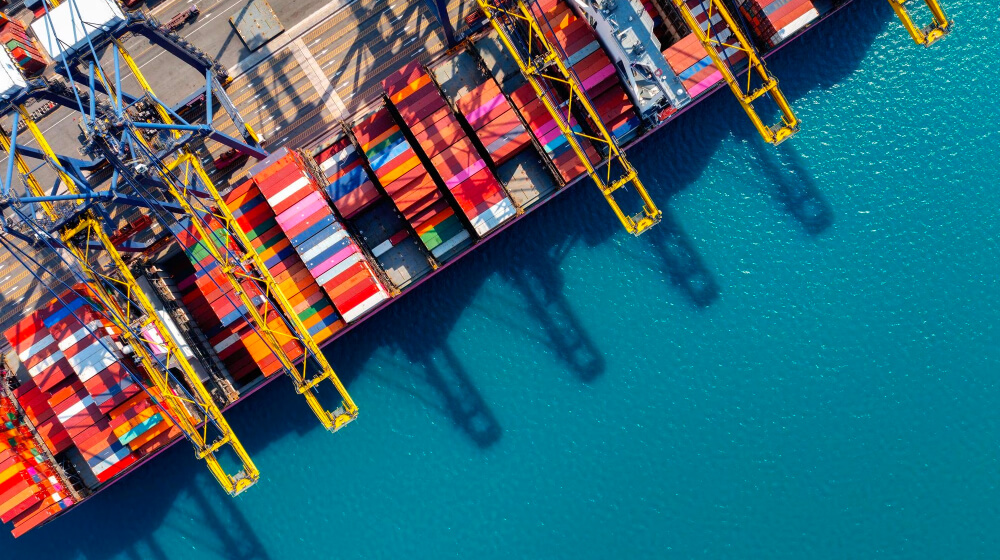
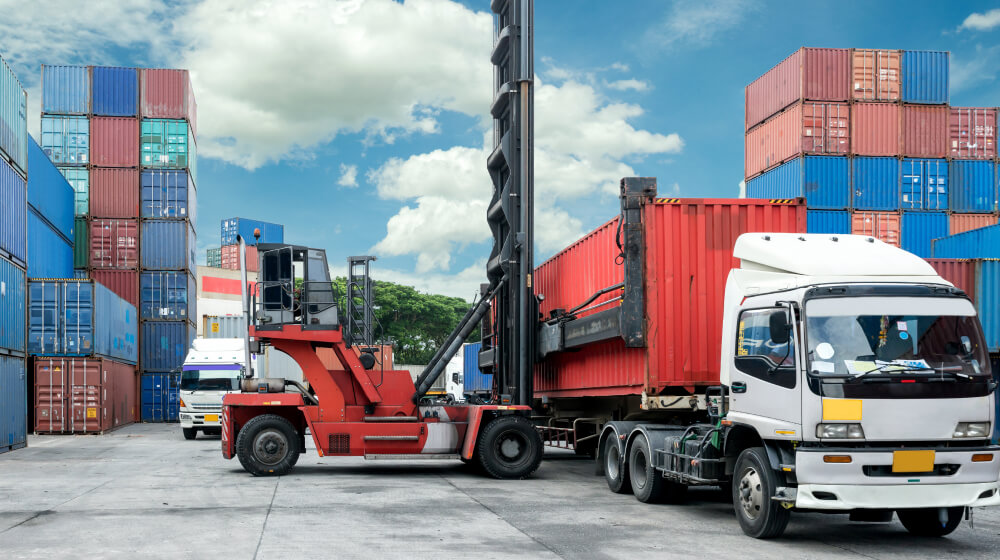
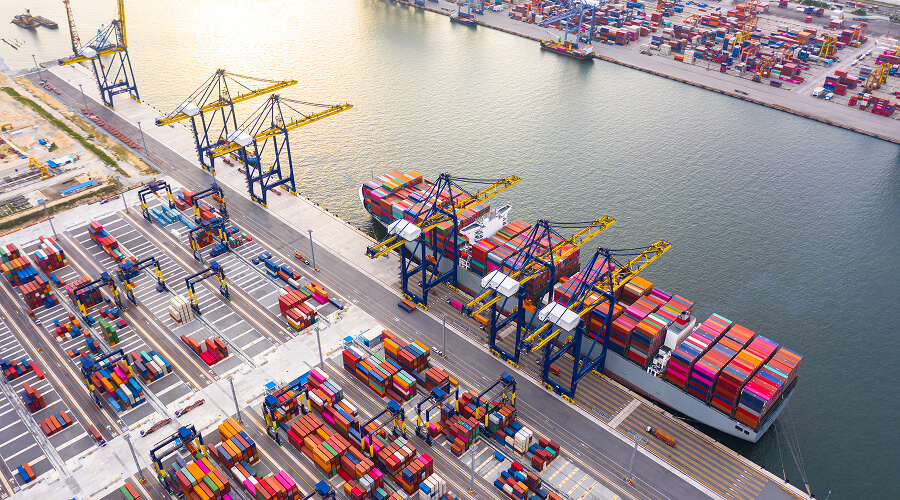
Combining road, rail, air, and ocean freight through integrated logistics planning enables shipments to move using the most environmentally efficient routes. Rail freight, for example, offers lower emissions for long-distance cargo, while consolidated ocean freight helps reduce the environmental impact of international shipping.
Advanced route optimisation software also minimises unnecessary travel distances, reduces idle time, and improves vehicle utilisation. These improvements lower operational costs while supporting environmentally responsible freight movement.
At ExpressLine Logistics, we continuously evaluate transport strategies to help clients achieve both efficiency and sustainability across their supply chains.
Sustainable Warehousing and Storage
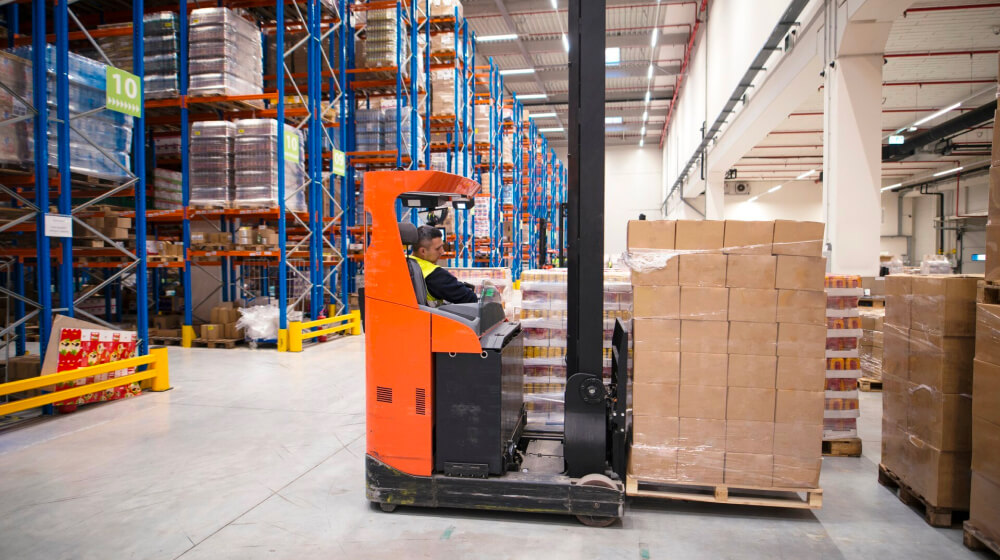
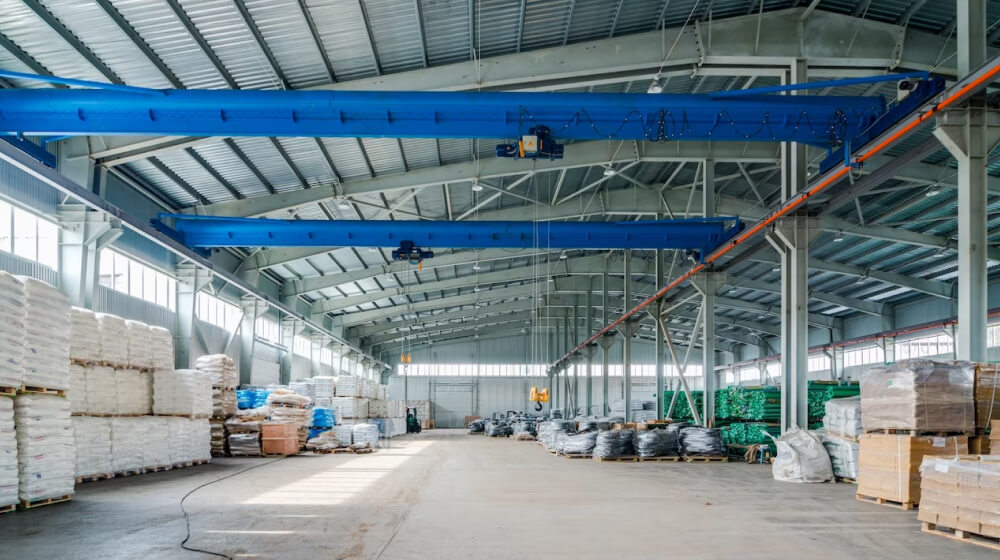
Green logistics extends beyond transportation. Warehouses and distribution centres play an important role in reducing energy consumption and improving operational sustainability.
Modern warehousing facilities now utilise energy-efficient lighting, automated inventory systems, digital documentation, waste reduction programs, and environmentally responsible building practices. Smart inventory management also reduces unnecessary product handling and storage, helping businesses operate more efficiently while lowering energy consumption.
ExpressLine Logistics supports sustainable warehousing by implementing intelligent storage solutions that improve inventory accuracy, optimise warehouse space, and minimise operational waste.
Technology Is Driving Greener Supply Chains
Technology has become one of the most powerful tools for improving sustainability throughout the logistics industry. Real-time shipment tracking, warehouse automation, predictive analytics, cloud-based logistics systems, and digital documentation all contribute to more efficient supply chain operations.
Artificial intelligence and data analytics enable businesses to forecast demand more accurately, reduce unnecessary transportation, optimise inventory levels, and improve delivery planning. These technologies reduce wasted resources while helping organisations make better operational decisions.
Digital transformation also reduces paper-based processes, improves communication, and provides greater transparency across the supply chain.
Creating Long-Term Value Through Sustainability
Green logistics offers benefits that extend beyond environmental responsibility. Businesses adopting sustainable logistics practices often experience lower operating costs, improved resource utilisation, enhanced regulatory compliance, stronger customer relationships, and greater resilience within their supply chains.
Consumers and business partners increasingly prefer organisations that demonstrate environmental responsibility. Investing in sustainable logistics helps businesses strengthen their brand reputation while preparing for future environmental regulations and market expectations.
At ExpressLine Logistics, sustainability is integrated into our long-term strategy. We continue investing in smarter technologies, efficient transport planning, and responsible logistics solutions that support both our customers and the environment.
Partnering for a Greener Future
Building sustainable supply chains requires collaboration between logistics providers, businesses, transportation partners, and customers. By working together, organisations can reduce waste, optimise transportation, improve operational efficiency, and contribute to a more sustainable global economy.
ExpressLine Logistics is committed to helping businesses transition toward greener logistics through innovative freight solutions, smart warehousing, integrated transportation services, and environmentally responsible supply chain management.
As global logistics continues to evolve, sustainability will remain at the centre of industry innovation. Together, we can build supply chains that not only move goods efficiently but also help create a cleaner, greener future for generations to come.